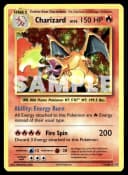
How to Sell a Pokemon or Trading Card Collection in Thailand
A practical guide to valuing, preparing and selling a Pokemon or TCG collection in Thailand, including what a shop actually pays and why it is below the shelf price.
Kira Cards Editorial Team
Written by the team behind Kira Cards Co., Ltd. (Patong, Phuket), full-time TCG retailers and collectors since 2026. About the team

Start by working out what you actually have
Before you talk to anyone about money, split the collection into three piles. Everything else follows from this, and people who skip it usually undersell.
- Sealed product. Anything still factory wrapped: booster boxes, loose packs, elite trainer boxes, premium collections, starter decks, One Piece OP, EB and PRB products. Sealed is the easiest category to value, because identical items sell constantly and the going rate is public.
- Singles. Individual cards pulled from packs. Value here is concentrated. In a box of a thousand cards it is normal for five cards to be worth more than the other nine hundred and ninety five combined. You do not need to price every card. You need to find the few that matter.
- Graded cards. Slabbed by PSA, CGC or BGS with a number on the label. Already identified, already condition-rated, so they are the fastest to sell and the easiest for anyone to quote on.
While you sort, write down the set name and the card number of anything that looks premium. Every modern Pokemon and One Piece card carries a number printed in the corner, like 025/165. That number plus the set name identifies the card exactly. A single photo of a pile of cards is not enough for anyone to give you a real figure, and a vague description is the main reason people receive vague offers.
What drives value, and what does not
Four things move the price of a card. Most of what people believe about everything else is wrong.
- Print scarcity. A card pulled roughly once per case beats one pulled once per box, which beats one in every third pack. Alternate art, full art, secret rare and special illustration treatments all point at scarcity of the print run.
- Demand for the character or player. Charizard, Pikachu, Umbreon and Mew have held demand for years. An equally rare card of an unpopular character sells for a fraction of the price.
- Condition, which matters far more on older cards than on new ones. Buyers look at centring, edge whitening, surface scratches and corner wear, in that order.
- Print run size. Sets printed in enormous quantities are common now and will stay common. Age alone does not fix that.
What does not drive value: how long you have owned the cards, how much you originally paid, holo shine on a common card, how neatly they are organised, or the fact that they are from your childhood.
One habit is worth more than any of this. Asking prices are not sale prices. A listing that has sat unsold for eight months tells you nothing. Look at completed, actually-paid sales, and price against those.
The honest options for selling in Thailand
Every route below is real and each one costs you something different.
- Selling to a shop. Bring or send the collection, get a quote, get paid. Fast and certain. The number is below what the cards would eventually fetch from individual buyers.
- Facebook groups and LINE. This is where most Thai TCG trading actually happens, and the Thai-language Pokemon and One Piece groups are active daily. You get closer to true market price than anywhere else. You also handle the messages, the haggling, the meetups and the buyer who vanishes after agreeing.
- Shopee and Lazada. Reach across all 77 provinces and a payment flow buyers already trust. Expect commission, transaction fees and campaign discounts to take a real slice, plus a lot of questions and a lot of small parcels to pack.
- eBay and selling abroad. The deepest pool of buyers and often the best prices for premium singles and graded slabs. Against that: international shipping from Thailand, customs paperwork, payment holds on new accounts, and genuine risk of loss or damage. Worth it only above a certain value per parcel.
- Auction houses. Realistic for a genuinely rare card or a large high-value lot. Seller commission applies and settlement takes weeks or months.
There is no route that is fast, maximum-price and zero-effort. Pick which two you want.
Shop versus private sale, said plainly
Here is the version you will not always be told, by either side.
A private sale usually nets more money. If you have time, patience and a tolerance for dealing with strangers, listing cards yourself will beat a shop offer on most collections. That is simply true, and any shop that denies it is not being straight with you.
A shop pays less and pays immediately. You arrive with cards and leave with money the same day. No listings to write, no photographs to retake, no parcels, no disputes, no unsold remainder still sitting in a cupboard six months later.
So the real question is not which is better. It is what you are actually selling. In a private sale you sell cards. In a shop sale you sell cards plus the time, effort and risk attached to them, and the shop pays less because it is buying all three.
Many collections suit a split. Sell the five or ten headline cards yourself, where the gap between the two routes is largest in absolute baht. Take a shop offer on the bulk, where the difference per card is a few baht but the work is enormous. Nobody sensibly lists two thousand common cards one at a time, and the people who try usually stop around card ninety.
Why a shop's buy price is below its shelf price
People see a card priced at one figure in a shop, get offered considerably less for the same card, and assume someone is trying it on. It helps to see what actually sits between the two numbers.
- Holding cost. A shop may hold an item for weeks or months before the right buyer walks in. Capital is tied up the whole time, and rent, staff and utilities run regardless of whether that card sells.
- Risk. Once bought, it is the shop's problem if the card turns out to be fake, grades worse than it looked, or the market for it softens before it sells. You transferred that risk, and the price reflects it.
- VAT and compliance. Kira Cards issues a Thai Revenue Department compliant tax invoice on every order, sequentially numbered with 7% VAT broken out. That comes off the shelf price, not from nowhere.
- Authentication and handling. Japanese Pokemon, One Piece and selected collectibles from the verified second-hand market are authenticated in-house before sale, then logged against a numbered Purchase Agreement recording supplier, date and quantity, which anyone can check at /en/verify.
None of that makes a buy offer generous. It makes it explicable. Ask any buyer to walk you through how they reached their number, and be cautious of one who will not.
Preparing cards so they are worth more
Preparation genuinely changes what you get offered, and one common instinct actively destroys value.
- Do not clean your cards. Not with a cloth, not with alcohol, not with an eraser. Cleaning leaves surface marks obvious to anyone who has handled cards, and it reads as damage or tampering. A dusty card in original condition beats a polished one every time.
- Sleeve anything valuable. A penny sleeve costs almost nothing and stops new scratches appearing while the card is handled and shipped.
- Use a top loader or semi-rigid holder for high-value singles. Sleeve first, then the holder.
- Do not seal a card into a screw-down or magnetic case if you plan to grade it. Graders and buyers prefer to remove it themselves.
- Photograph properly. Bright indirect daylight, no flash, card flat, camera straight above it, one card per photo, front and back. Add a close shot of the corners and edges. For a slab, photograph the label so the certification number is readable.
- Keep sealed product sealed. Opening a booster box to see what is inside converts a known value into a gamble, and usually into a lower number.
- Group by set rather than tipping everything into one box. It costs you an hour and makes every quote you receive faster and better informed.
When grading first is worth it, and when it is not
Grading means sending a card to PSA, CGC or BGS to be authenticated, condition graded and sealed in a slab. It can multiply a card's value. It can also lose you money.
It is usually worth grading when the card has meaningful raw value, when its condition is genuinely excellent rather than merely nice, when a top grade would move it into a different price bracket, when the card is old or rare enough that buyers want authentication before committing, and when you can wait. Turnaround is measured in weeks and months, not days.
It is usually not worth grading when the raw value is low, because fees and return shipping can exceed what the card is worth at any grade. It is also a poor idea when the card has a visible flaw. A soft corner or off-centre print returns a low number, and that number becomes a permanent public record attached to the card, which can be harder to sell than the raw card was.
Be honest about condition. Most people overrate their own cards. Look at all four corners under a bright light before spending anything.
Kira Cards submits customer cards to PSA, CGC and BGS and handles the customs paperwork on the return leg. Details are on /en/sell.
How selling to Kira Cards works
Kira Cards buys cards. There are two ways to do it.
In person. Bring the collection to the store at 179 ภก.4055, Patong, Kathu District, Phuket 83150, steps from Jungceylon. Open every day, 12:00 to 18:00 ICT. Cards are looked at in front of you and you get a figure during the same visit.
Remotely. Send photos through /en/sell for an estimate. Follow the photo advice above, list set names and card numbers for the premium cards, and say roughly how many cards there are in total. An estimate from photos is an estimate: it is confirmed on physical inspection, because condition is the one thing photographs cannot fully settle.
Payment is issued within 48 hours of inspection. Every purchase is recorded against a numbered Purchase Agreement, in the format KC-YYYY-NNNN, capturing supplier, date and quantity. Any reference can be checked at /en/verify.
If the offer is not right for you, that is a perfectly fine outcome. You will still leave knowing what you have, what condition it is in and roughly where the market sits, which is more than most people start with.
Questions before you come in: +66 62 096 0153 or contact@kira-cards.com.
Frequently asked questions
How do I find out what my Pokemon cards are worth without paying anyone?
Identify the card first: the set name plus the card number printed in the corner, like 025/165. Then search that exact combination and look only at completed, actually-paid sales, not active listings. Asking prices tell you what sellers hope for, not what buyers paid. Check sealed product the same way. For a rough figure on a whole collection, price the ten best cards individually and treat the rest as bulk.
Will a shop pay more than selling on Facebook or Shopee?
Usually no. A private sale normally nets more money if you are willing to spend the weeks, handle the messages, pack the parcels and accept that some of it will not sell. A shop pays less because it pays immediately and takes on the holding cost and the risk. Many people split the difference: sell the few headline cards privately, take a shop offer on the bulk.
Should I get my cards graded before I sell them?
Only if the card has real raw value and genuinely excellent condition, and you can wait weeks or months for it to come back. Grading fees plus return shipping can easily exceed what a low-value card is worth at any grade, and a visible flaw will return a low number that stays attached to the card permanently. If the corners are soft or the print is off-centre, sell it raw.
Can I sell my collection if I am not in Phuket?
Yes. Send photos through /en/sell for a remote estimate. Include set names and card numbers for anything premium, shoot in bright indirect daylight with no flash, and photograph fronts and backs plus a close view of the corners. The estimate is confirmed on physical inspection, since condition cannot be fully judged from a photograph, and payment is issued within 48 hours of that inspection.
Should I open sealed booster boxes before selling them?
No. Sealed product has a known, publicly visible value. Opening it converts that into a gamble, and on average the cards inside are worth less than the sealed box was. If your goal is money rather than the experience of opening it, keep the wrapping intact and sell it as it is.
Is it worth cleaning or repairing cards before a sale?
No, and cleaning is the single most common way people lose value. Cloths, alcohol and erasers leave surface marks that any experienced buyer spots immediately, and they are treated as damage or attempted tampering. The same applies to trimming edges or flattening bends. Leave the card exactly as it is, sleeve it, and let its true condition be assessed.
Ready to Start Collecting?
Factory sealed products, verified supply chain. Available in-store in Phuket and shipped nationwide.
Get an estimate on your collection